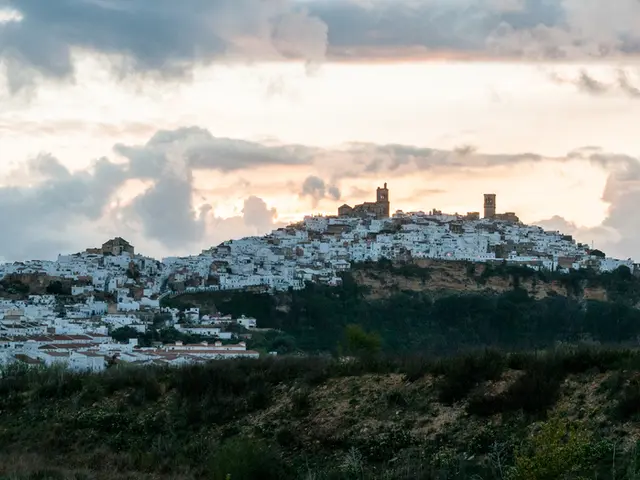
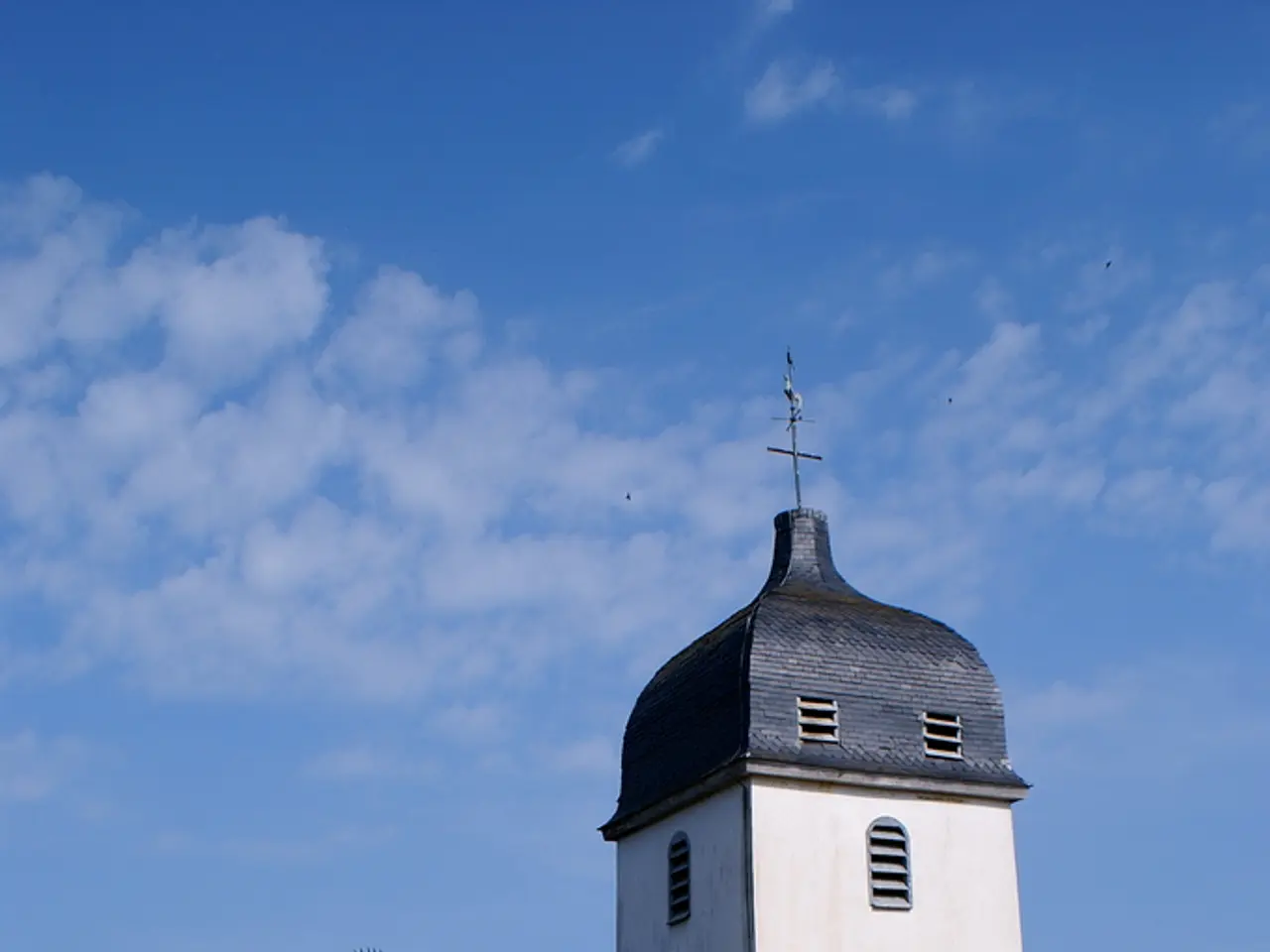
A picturesque Sicilian town, labeled as 'the city of bridges', boasts more than 50 Baroque churches within its boundaries.
Nestled in the heart of Sicily, the city of Ragusa boasts a unique charm that sets it apart from other Italian cities. Known as the 'city of bridges', Ragusa is characterized by three significant structures that span the Valle dei Ponti ravine, connecting its ancient Baroque lower town, Ibla, with the modern urban center of Ragusa Superiore.
One of the prime must-visit attractions in Ragusa Ibla is the **Cathedral of San Giorgio** (Duomo di San Giorgio). This magnificent structure, with its prominent dome and elegant façade, is a testament to the grandeur and intricate design typical of Sicilian Baroque architecture. The cathedral is not only the mother church of the city but also a UNESCO World Heritage site, included as part of the Val di Noto Baroque towns.
Rebuilt after the devastating 1693 earthquake that destroyed Ragusa’s original location, Ibla, the cathedral is a standout among Baroque churches in southeastern Sicily. Visitors and reviewers often call it the favorite Baroque cathedral in the region, eclipsing others in nearby towns such as Noto and Modica.
Beyond the Cathedral of San Giorgio, Ragusa Ibla offers a rich tapestry of Baroque churches and buildings dating from around the 1700s. The charming streets, lined with these historical gems, enrich the experience for those interested in Baroque architecture.
The city of bridges is not just about its architectural wonders. The Ponte Vecchio, Ponte Nuovo, and Ponte Giovanni XXIII, built after the 1693 earthquake, are examples of the practical infrastructure developed in Ragusa to unify its two distinct parts. These bridges offer panoramic views of the city and the surrounding valley, making them a highlight for visitors.
Ragusa Ibla's Piazza del Duomo is another quintessential example of Baroque grandeur. The Duomo di San Giorgio, designed by Rosario Gagliardi, stands tall with its towering bell tower and convex central body, among the most iconic churches in Ragusa Ibla.
In addition to the Cathedral of San Giorgio, Ragusa Ibla is home to over 50 churches that showcase the Sicilian Baroque style. The city, particularly Ibla, is a sanctuary of sacred architecture, with many of its churches being significant examples of the Sicilian Baroque style.
Before the Normans took control, Ragusa was influenced by various civilizations, including the Greeks, Romans, Byzantines, and Arabs. The post-earthquake reconstruction period saw the development of Ragusa's dual identity, with the aristocracy rebuilding in Ragusa Ibla and the general populace establishing Ragusa Superiore.
The Church of Santa Maria delle Scale, located between Ragusa Ibla and Ragusa Superiore, is a unique structure that combines Gothic and Baroque architectural styles. Rebuilt in the Baroque style after the 1693 earthquake, it incorporates surviving sections of the original 15th-century structure.
In summary, a visit to Ragusa offers a unique blend of history, architecture, and natural beauty. The Cathedral of San Giorgio in Ragusa Ibla is the prime must-visit church showcasing Sicilian Baroque architecture, complemented by the town’s broader Baroque historical environment. The city of bridges, with its practical infrastructure and panoramic views, adds an extra layer of charm to this captivating city in Sicily.
Immerse yourself in the lifestyle of Ragusa Ibla, which boasts an en-vols of home-and-garden Baroque churches and buildings, transporting you back to the 1700s. Beyond architectural wonders, travel along the bridges to appreciate the practical infrastructure developed in Ragusa, offering stunning panoramic views of the city and valley.