Exploring the Seas Was once Considered within Reach Only for the Noble Class
=========================================================================
In the heart of Italy's Versilia region, a free beach named Marinella played host to a significant event in the life of Garibaldo, a local farmer. It was his seventieth birthday, and his daughter, Carla, had organised a picnic to mark the occasion.
The Riviera Romagnola, where this beach lay, was a temple of reformist fertility, a time of eternal dawn that nothing could obscure. For the first Romagna farmers who ventured onto these dunes and contemplated the sea and the horizon at sunrise, it must have been a sight to behold.
The Riviera Romagnola was born from the idea that good belongs to all or to none, and that together, people are everything, even during holidays. Progress was the soul breathed into this Riviera, as it provided a well-deserved vacation at a fair price for families with one income and two children.
For centuries, the farmers of Romagna had relied on fertile plains for agriculture. But the proximity to the Adriatic Sea in the Riviera Romagnola area meant they could benefit from maritime resources and coastal trade routes, supplementing their agricultural economy. The sea thus represented both sustenance and opportunity—extending their access to food, goods, and market connections crucial for prosperity in a mostly rural setting.
The sea held significant importance for farmers in Romagna. It was more than just a physical boundary; it was an integral part of their economic and cultural identity. In the context of the story of Garibaldo, the sea likely embodied this intertwined livelihood and cultural link for farmers in the Riviera Romagnola.
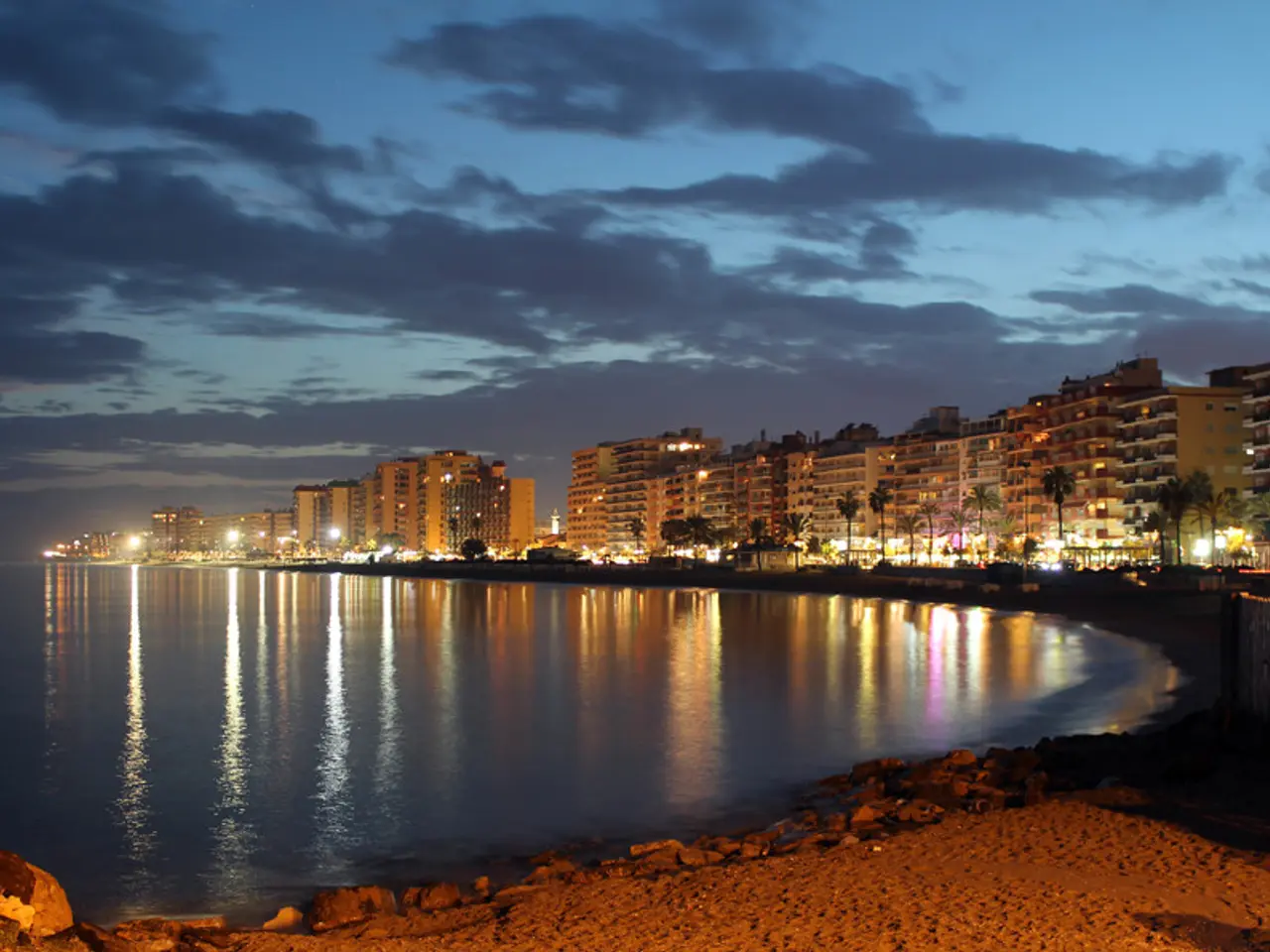
After the picnic, Garibaldo, facing one of the famous Riviera sunsets, asked about the purpose of all the beach items, expressing his confusion about the sea's use. Garibaldo had a negative view of the sea, believing it to be wasteful water that couldn't be used for drinking or irrigation, and that it could lead to getting lost and never returning.
Carla, however, had a different perspective. She took Garibaldo to the sea for a saltwater footbath, which was believed to benefit his troubled circulatory system. This act symbolised the transformation that the sea represented for these farmers—a resource beyond their agricultural lives, offering opportunities for leisure, health, and connection.
In the 80s, when mucillagini turned the sea into a pestilent sewer, the heirs of the bonifiers quickly understood that there was no possible bonification and invented the sea without needing the sea. Today, on Ferragosto, a significant holiday in Italy, everything is sold out, everywhere that isn't too expensive. What could have been spent for a week now only lasts for a day.
As we reflect on the story of Garibaldo and the Riviera Romagnola, we are reminded of the transformative power of the sea. It was more than just a physical boundary; it was a symbol of opportunity, a resource for sustenance, and a catalyst for change. For the farmers of Romagna, the sea was an integral part of their identity, bridging land-based farming with maritime life.
[1] The specific story of Garibaldo and the Riviera Romagnola was not detailed in the results, but this interpretation aligns with the general historical and geographical context of Romagna’s farming communities near the Adriatic Sea.
[2] https://www.britannica.com/place/Romagna
- The average farmer in Riviera Romagnola, like Garibaldo, might have once viewed the sea as a wasteful and perilous entity, but with time, their lifestyles adjusted to include it as a resource for leisure, health, and connection, much like the shift from home-and-garden activities to travel.
- Having experienced the benefits of the sea during his saltwater footbath, Garibaldo's average lifestyle that previously revolved around farming might now include occasional travel to coastal regions, seeking out the same rejuvenating experience the sea had provided him.